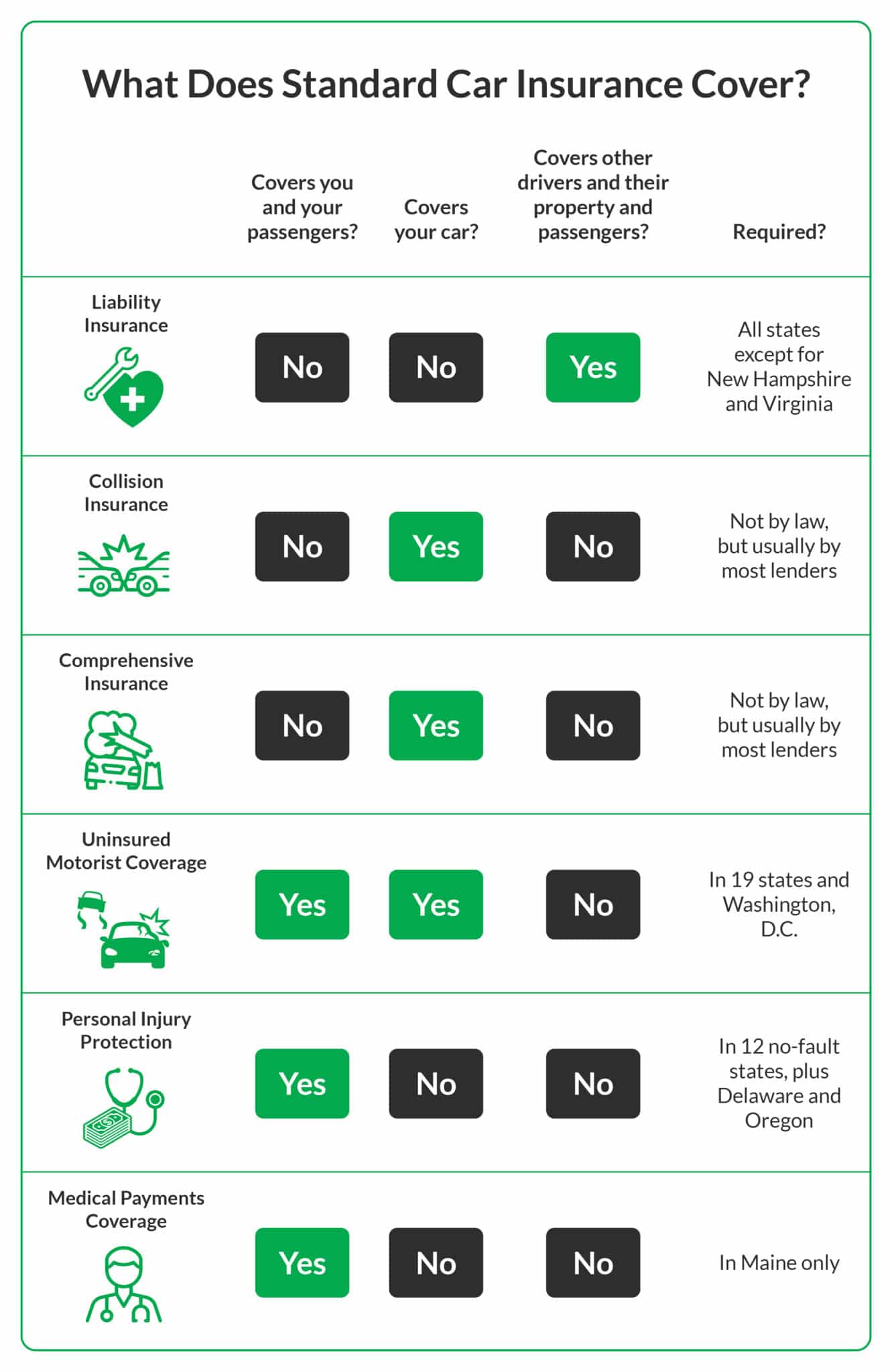
Car insurance is a contract between you and an insurance company that provides financial protection against losses resulting from car accidents and other covered events, such as theft, vandalism, and natural disasters. It typically covers damage to your car, medical expenses for you and your passengers, and liability for damages caused to others.
Car insurance is essential for drivers because it helps to protect them from the financial consequences of accidents. It can also provide peace of mind, knowing that you are financially protected in the event of an accident. In many countries, car insurance is required by law. Even if it is not required, it is highly recommended to have car insurance to protect yourself financially.
The cost of car insurance varies depending on a number of factors, including the type of car you drive, the amount of coverage you need, and your driving history. It is important to compare quotes from different insurance companies to find the best rate.
Car Insurance
Car insurance is a crucial aspect of owning and operating a vehicle. It provides financial protection against losses resulting from car accidents and other covered events, such as theft, vandalism, and natural disasters. Here are seven key aspects of car insurance:
- Coverage: The types of coverage included in a car insurance policy, such as liability, collision, and comprehensive.
- Limits: The maximum amount of money the insurance company will pay for each type of coverage.
- Deductible: The amount of money the policyholder must pay out of pocket before the insurance company begins to pay.
- Premium: The cost of car insurance, which is typically paid monthly or annually.
- Risk: Factors that affect the cost of car insurance, such as the driver’s age, driving history, and type of car.
- Claims: The process of filing a claim with the insurance company after an accident or other covered event.
- Legal: The laws and regulations governing car insurance.
These seven aspects are essential for understanding car insurance. By understanding these aspects, drivers can make informed decisions about the coverage they need and the cost of their insurance. For example, drivers with a high-risk profile may want to purchase more coverage or a higher deductible to lower their premium. Drivers who are involved in an accident should understand the claims process and their rights under their insurance policy.
Coverage
Coverage is a key aspect of car insurance. It refers to the types of events or losses that are covered by the insurance policy. The most common types of coverage include:
- Liability coverage: This coverage protects the policyholder from financial responsibility for injuries or property damage caused to others in an accident. It is required by law in most states.
- Collision coverage: This coverage pays for damage to the policyholder’s own car in the event of a collision with another vehicle or object. It is not required by law, but it is highly recommended.
- Comprehensive coverage: This coverage pays for damage to the policyholder’s car caused by events other than collisions, such as theft, vandalism, and natural disasters. It is not required by law, but it is often recommended for newer cars or cars that are financed.
The type and amount of coverage that a driver needs will vary depending on their individual circumstances. Drivers who live in areas with high rates of car accidents may want to purchase more liability coverage. Drivers who have expensive cars may want to purchase collision and comprehensive coverage. Drivers who have older cars or cars that are not financed may not need as much coverage.
Limits
Limits are a crucial aspect of car insurance. They determine the maximum amount of money the insurance company will pay for each type of coverage. This is important because it affects how much financial protection you have in the event of an accident or other covered event.
- Liability limits: These limits determine the maximum amount of money the insurance company will pay for injuries or property damage you cause to others in an accident. It is important to have high enough liability limits to protect your assets in the event of a serious accident.
- Collision limits: These limits determine the maximum amount of money the insurance company will pay to repair or replace your car if it is damaged in a collision. It is important to have high enough collision limits to cover the cost of repairing or replacing your car, especially if you have a newer or expensive car.
- Comprehensive limits: These limits determine the maximum amount of money the insurance company will pay to repair or replace your car if it is damaged by something other than a collision, such as theft, vandalism, or natural disasters. It is important to have high enough comprehensive limits to cover the cost of repairing or replacing your car, especially if you live in an area where your car is at risk of being stolen or damaged by natural disasters.
The limits you choose for your car insurance policy will depend on a number of factors, including your budget, the value of your car, and your driving history. It is important to talk to your insurance agent to determine the right limits for your needs.
Deductible
A deductible is a key aspect of car insurance. It is the amount of money that the policyholder must pay out of pocket before the insurance company begins to pay for covered losses. Deductibles are typically applied to collision and comprehensive coverage, but they can also be applied to other types of coverage, such as liability coverage. When choosing a deductible, it is important to consider the following factors:
- The cost of your car: If you have a newer or expensive car, you may want to choose a higher deductible to lower your premium. However, if you have an older or less expensive car, you may want to choose a lower deductible to ensure that you have adequate coverage in the event of an accident.
- Your budget: It is important to choose a deductible that you can afford to pay in the event of an accident. If you choose a deductible that is too high, you may not be able to afford to repair or replace your car if it is damaged in an accident.
- Your driving history: If you have a good driving history, you may be able to qualify for a lower deductible. However, if you have a history of accidents or traffic violations, you may have to pay a higher deductible.
The deductible you choose will have a significant impact on your car insurance premium. A higher deductible will result in a lower premium, while a lower deductible will result in a higher premium. It is important to weigh the pros and cons of choosing a higher or lower deductible before making a decision.
Premium
The premium is the cost of car insurance, which is typically paid monthly or annually. It is a key component of car insurance, as it is the amount of money that the policyholder must pay to the insurance company in order to maintain their coverage. The premium is based on a number of factors, including the type of coverage, the amount of coverage, the policyholder’s driving history, and the policyholder’s age and location.
The premium is an important consideration when choosing a car insurance policy. A higher premium will typically result in more comprehensive coverage, while a lower premium will typically result in less comprehensive coverage. It is important to weigh the cost of the premium against the value of the coverage when making a decision about which policy to purchase.
In some cases, the premium may be tax deductible. This is typically the case if the car is used for business purposes. However, it is important to check with a tax professional to determine if the premium is tax deductible in a particular case.
Risk
The cost of car insurance is determined by a number of factors, including the driver’s age, driving history, and type of car. These factors are used by insurance companies to assess the risk of insuring a particular driver. Drivers who are considered to be high-risk will pay more for car insurance than drivers who are considered to be low-risk.
- Age: Younger drivers are typically considered to be higher risk than older drivers. This is because younger drivers have less experience behind the wheel and are more likely to be involved in accidents. As a result, younger drivers typically pay more for car insurance than older drivers.
- Driving history: Drivers with a history of accidents or traffic violations are considered to be higher risk than drivers with a clean driving record. This is because drivers with a history of accidents or traffic violations are more likely to be involved in future accidents. As a result, drivers with a history of accidents or traffic violations typically pay more for car insurance than drivers with a clean driving record.
- Type of car: The type of car you drive can also affect the cost of your car insurance. Sports cars and luxury cars are typically more expensive to insure than sedans and economy cars. This is because sports cars and luxury cars are more likely to be involved in accidents and are more expensive to repair. As a result, drivers who own sports cars and luxury cars typically pay more for car insurance than drivers who own sedans and economy cars.
It is important to understand the factors that affect the cost of car insurance so that you can make informed decisions about your coverage. By understanding these factors, you can shop around for the best possible rate on car insurance.
Claims
Claims are an essential part of the car insurance process. They allow policyholders to recover compensation for losses incurred in covered events, such as accidents, theft, and vandalism.
-
Filing a Claim
The first step in filing a claim is to notify your insurance company of the accident or other covered event. You can usually do this by calling the company’s customer service number or filing a claim online. The insurance company will then assign you a claims adjuster who will investigate the claim and determine whether it is covered by your policy. -
The Investigation
The claims adjuster will investigate the claim by gathering evidence, such as police reports, witness statements, and photos of the damage. The adjuster may also inspect your car to assess the damage. -
Settlement
Once the investigation is complete, the claims adjuster will determine the amount of compensation you are entitled to under your policy. The insurance company will then send you a settlement offer. You can either accept the offer or negotiate a higher settlement amount. -
Payment
If you accept the settlement offer, the insurance company will send you a payment. You can use this payment to repair or replace your car, or to pay for other expenses related to the accident or other covered event.
Claims are an important part of the car insurance process. By understanding the claims process, you can ensure that you are able to recover compensation for losses incurred in covered events.
Legal
The laws and regulations governing car insurance are essential to ensure that drivers are financially protected in the event of an accident. These laws and regulations vary from state to state, but they all share the common goal of protecting drivers and ensuring that they have the coverage they need to pay for damages and injuries.
One of the most important laws governing car insurance is the requirement to carry liability insurance. Liability insurance covers the costs of damages and injuries that you cause to others in an accident. Most states require drivers to carry a minimum amount of liability insurance, but you may want to purchase more coverage to ensure that you are fully protected.
In addition to liability insurance, many states also require drivers to carry other types of insurance, such as collision insurance and comprehensive insurance. Collision insurance covers the costs of repairing or replacing your car if it is damaged in an accident, while comprehensive insurance covers the costs of repairing or replacing your car if it is damaged by something other than a collision, such as theft or vandalism.
The laws and regulations governing car insurance are complex, but they are essential to ensure that drivers are financially protected in the event of an accident. By understanding these laws and regulations, you can make sure that you have the coverage you need to protect yourself and your family.
Car Insurance FAQs
Here are answers to some of the most frequently asked questions about car insurance:
Question 1: What is car insurance?
Car insurance is a contract between you and an insurance company that provides financial protection against losses resulting from car accidents and other covered events, such as theft, vandalism, and natural disasters.
Question 2: Why is car insurance important?
Car insurance is important because it helps to protect you from the financial consequences of car accidents and other covered events. It can also provide peace of mind, knowing that you are financially protected in the event of an accident.
Question 3: What types of coverage does car insurance provide?
Car insurance typically provides three types of coverage: liability coverage, collision coverage, and comprehensive coverage. Liability coverage protects you from financial responsibility for injuries or property damage caused to others in an accident. Collision coverage pays for damage to your car in the event of a collision with another vehicle or object. Comprehensive coverage pays for damage to your car caused by events other than collisions, such as theft, vandalism, and natural disasters.
Question 4: How much does car insurance cost?
The cost of car insurance varies depending on a number of factors, including the type of car you drive, the amount of coverage you need, and your driving history. It is important to compare quotes from different insurance companies to find the best rate.
Question 5: What should I do if I am involved in a car accident?
If you are involved in a car accident, you should first check for injuries and call the police. Once you have done this, you should contact your insurance company to report the accident. Your insurance company will then assign a claims adjuster to investigate the accident and determine whether it is covered by your policy.
Question 6: What should I do if my car is stolen?
If your car is stolen, you should first contact the police to report the theft. Once you have done this, you should contact your insurance company to report the theft. Your insurance company will then investigate the theft and determine whether it is covered by your policy.
These are just a few of the most frequently asked questions about car insurance. For more information, please contact your insurance company or visit the website of your state’s insurance regulator.
Summary: Car insurance is an important part of owning and operating a vehicle. It provides financial protection against losses resulting from car accidents and other covered events. By understanding the basics of car insurance, you can make informed decisions about the coverage you need and the cost of your insurance.
Next: Learn more about the different types of car insurance coverage in the next section.
Car Insurance Tips
Car insurance is an important part of owning and operating a vehicle. It can protect you financially in the event of an accident or other covered event. Here are a few tips to help you get the most out of your car insurance:
Tip 1: Shop around for the best rate. There are many different car insurance companies out there, so it’s important to shop around and compare quotes. You may be able to save money by switching to a different company.
Tip 2: Increase your deductible. Your deductible is the amount of money you have to pay out of pocket before your insurance coverage kicks in. Increasing your deductible can lower your monthly premium.
Tip 3: Take a defensive driving course. Defensive driving courses can teach you how to avoid accidents and reduce your risk of being involved in a collision. Many insurance companies offer discounts for drivers who complete these courses.
Tip 4: Maintain a good driving record. Insurance companies consider your driving record when setting your rates. If you have a clean driving record, you may be eligible for a lower premium.
Tip 5: Bundle your insurance policies. If you have multiple insurance policies, such as car insurance and homeowners insurance, you may be able to save money by bundling them with the same company.
Tip 6: Consider usage-based insurance. Usage-based insurance programs track your driving habits and use this information to set your rates. If you are a safe driver, you may be eligible for a lower premium.
Summary: By following these tips, you can save money on your car insurance and get the coverage you need to protect yourself financially in the event of an accident or other covered event.
For more information on car insurance, please visit the website of your state’s insurance regulator.
Conclusion
Car insurance is an essential part of owning and operating a vehicle. It provides financial protection against losses resulting from car accidents and other covered events. By understanding the basics of car insurance, you can make informed decisions about the coverage you need and the cost of your insurance.
Car insurance is a complex topic, but it is important to understand the basics so that you can make informed decisions about your coverage. By following the tips in this article, you can save money on your car insurance and get the coverage you need to protect yourself financially in the event of an accident or other covered event.